Amethyst: February’s Birthstone of Calm, Colour and Meaning
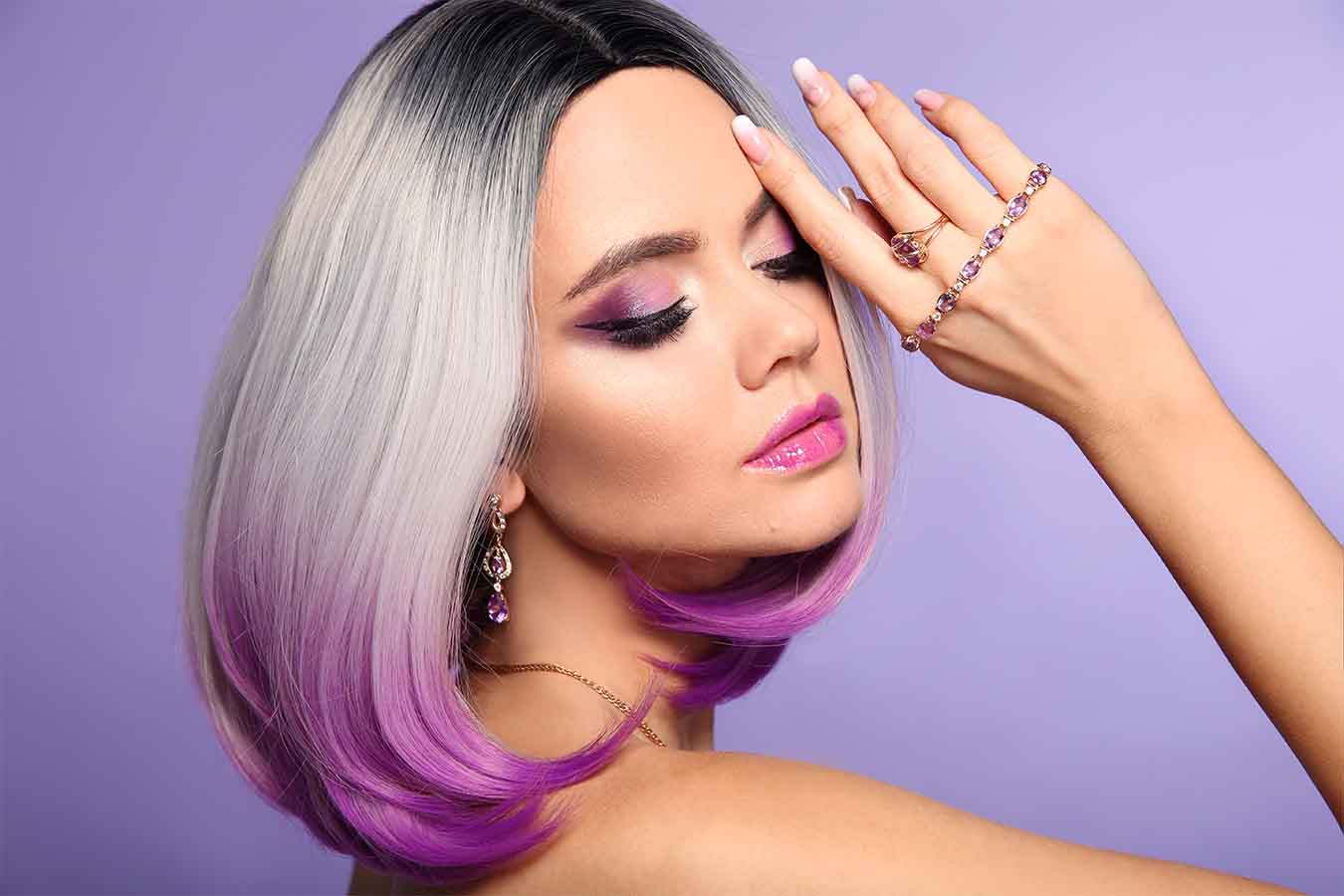
Amethyst is February’s birthstone, and few gemstones balance beauty, symbolism and wearability quite so naturally. With its rich violet tones and centuries of history behind it, amethyst has long been associated with calm, clarity and inner strength. From ancient myth to modern jewellery design, this captivating gemstone continues to hold a quiet but enduring presence.
At Zelley, we’re drawn to gemstones that offer more than surface beauty. Amethyst tells a story that stretches from royal courts and religious symbolism through to contemporary design, all while remaining easy to wear. Whether chosen to celebrate a February birthday, mark a meaningful moment, or simply for its unmistakable colour, amethyst feels personal, thoughtful and timeless.
What is Amethyst?
Amethyst is a variety of quartz, prized for its distinctive purple colouring. Shades range from pale lilac and soft lavender through to deep, saturated violet. Some stones even show subtle flashes of rose or blue, depending on the light. This colour develops through trace amounts of iron within the crystal, combined with natural irradiation over time.
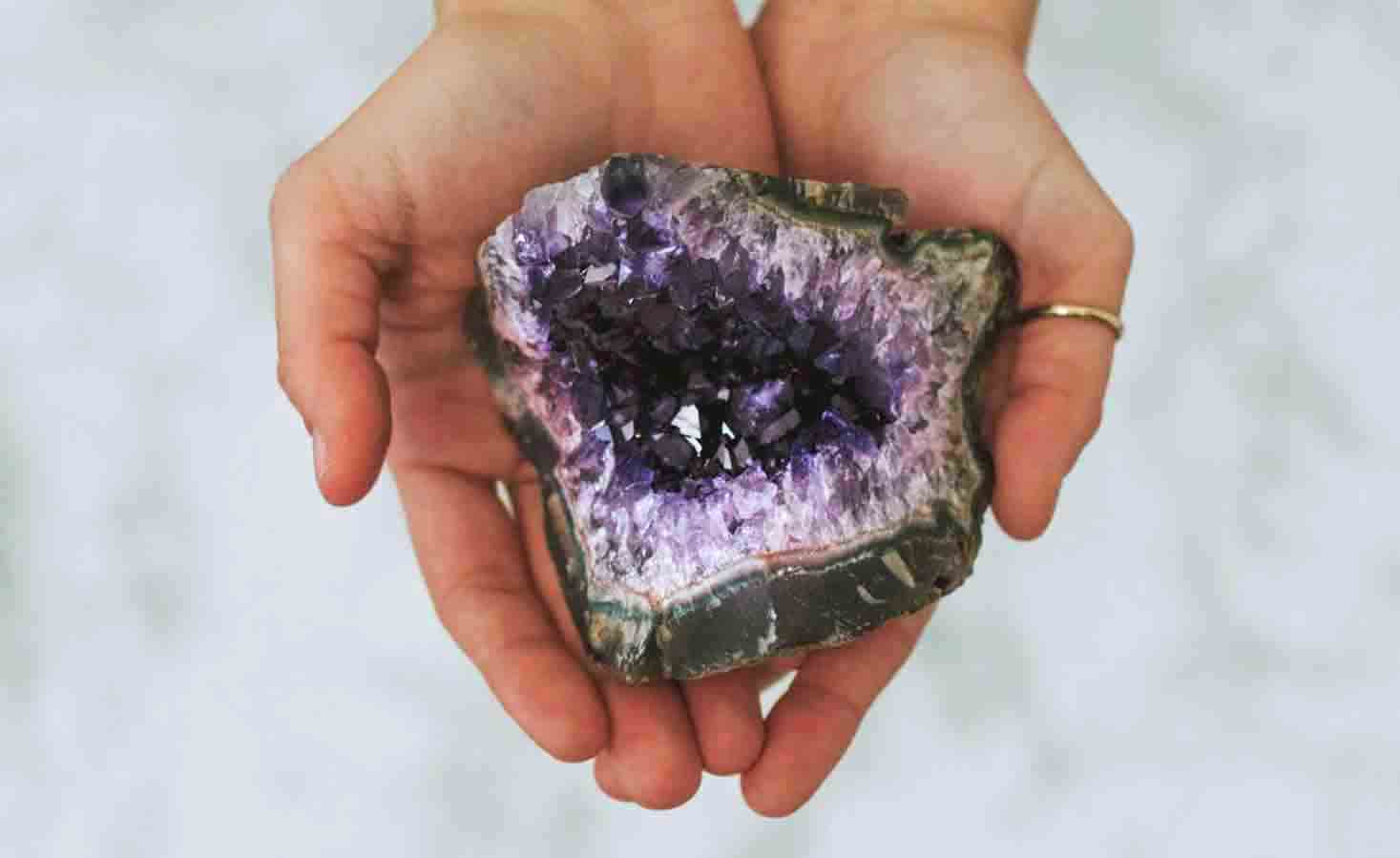
Amethyst in its natural, uncut form – Photo by Lil Artsy
Quartz is one of the most common minerals on Earth, but fine amethyst is far from ordinary. Stones with strong, even colour and good clarity remain highly desirable. When cut well, amethyst allows light to move cleanly through the stone, giving it depth, brightness and character.
With a hardness of 7 on the Mohs scale, amethyst is also durable enough for everyday jewellery. This combination of beauty and practicality has helped secure its place in jewellery collections for centuries.
The History and Mythology of Amethyst
Amethyst’s story begins in ancient Greece. The gemstone takes its name from the Greek word amethystos, meaning “not intoxicated”. According to legend, the god Dionysus poured wine over a clear quartz crystal, staining it purple and giving birth to amethyst. As a result, the stone became associated with clarity of mind, balance and protection from excess.
The Romans embraced this belief, often decorating drinking vessels with amethyst or carving the gemstone into goblets. They believed it could ward off drunkenness and encourage moderation.
During the Middle Ages, amethyst took on further meaning. It became closely associated with the Christian church, symbolising humility, devotion and spiritual wisdom. Bishops frequently wore amethyst rings, a tradition that still echoes in ecclesiastical jewellery today.
A Gemstone of Royalty
For much of history, amethyst was considered one of the most valuable gemstones in the world. Before major deposits were discovered in Brazil during the 18th century, fine amethyst was rare and expensive. It was ranked alongside diamonds, rubies, emeralds and sapphires as a so-called “cardinal” gemstone.
Royal families across Europe treasured amethyst for both its colour and symbolism. British royal jewellery, particularly pieces associated with Queen Victoria, helped cement amethyst’s reputation as a stone of refinement and elegance. Those royal connections continue to lend the gemstone a sense of heritage today.
The Meaning of Amethyst as a Birthstone
As February’s birthstone, amethyst is traditionally associated with calm, sincerity and inner strength. Many people also connect it with emotional balance and clear thinking, which makes it a meaningful gift for moments that call for reflection or reassurance.
Amethyst is often said to symbolise calm and clarity, protection and stability, and thoughtfulness with emotional depth. With February sitting between winter and spring, the gemstone feels especially well placed. Its cool purple tones echo winter’s stillness, while its brightness hints at the colour and light to come.
Shades, Cuts and Character
One of amethyst’s greatest strengths is its range. Deep purple stones feel rich and dramatic, while paler lilac shades appear softer and more contemporary. This versatility allows amethyst to suit a wide variety of jewellery styles.
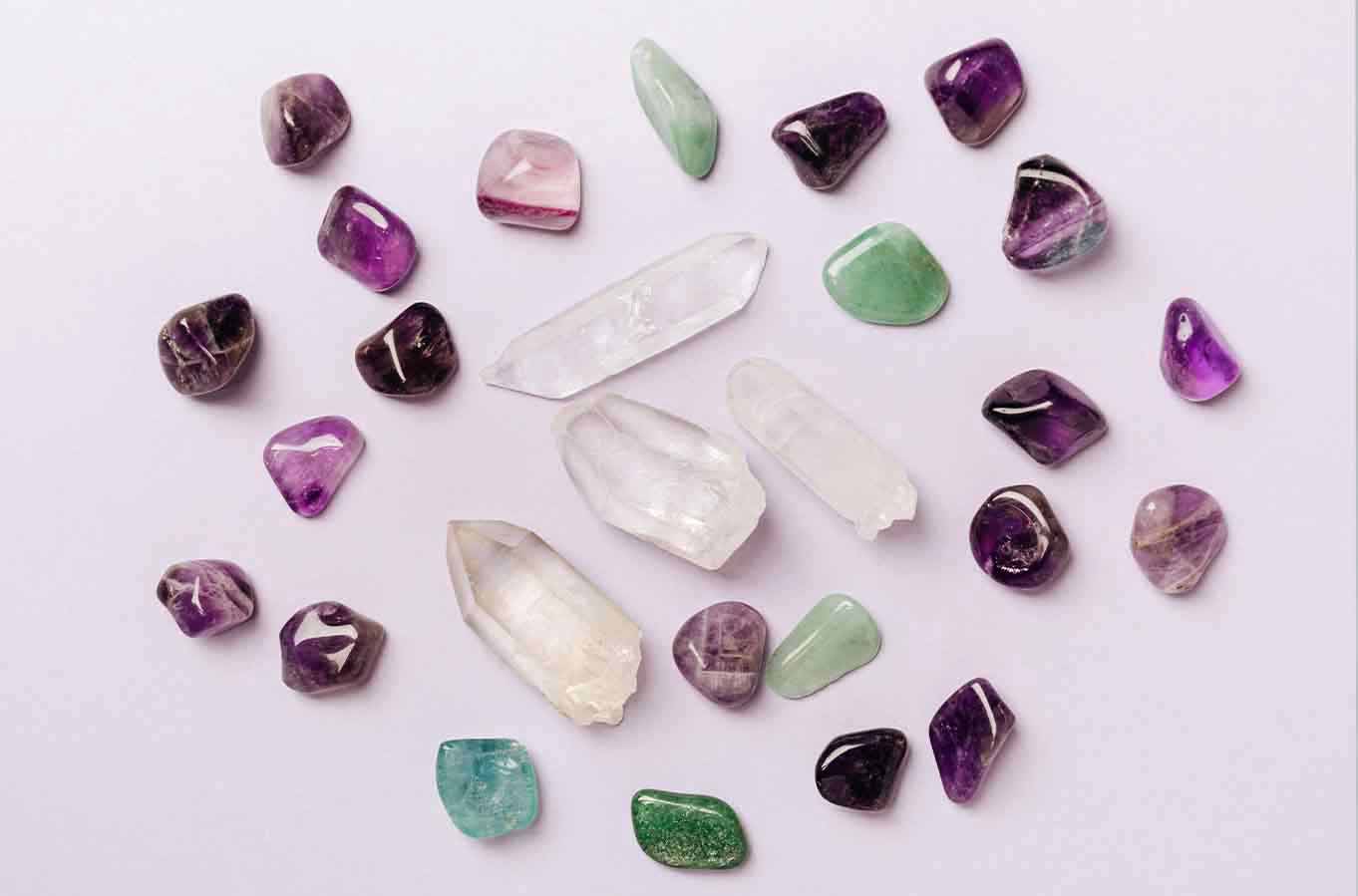
Quartz gemstones shown in a range of natural tones, including amethyst and clear quartz – Photo by Karolina Grabowska
In yellow or rose gold, amethyst takes on a warmer, more traditional feel. In white gold or platinum, it appears fresher and more modern. The cut of the stone also plays an important role. Oval and cushion cuts emphasise colour depth, while emerald and pear cuts highlight clarity and clean lines.
Designers often return to amethyst because it adapts so easily without losing its identity. Whether set simply or used as a focal point, its character always comes through.
Amethyst in Modern Jewellery
Today’s amethyst jewellery feels lighter, more wearable and more versatile than ever. Clean settings allow the stone to take focus, while thoughtful design ensures it suits everyday life rather than special occasions alone.
Amethyst works particularly well in contemporary designs, especially when paired with clean lines and subtle detailing. A 9ct yellow gold amethyst and gold bead station bracelet is a perfect example of how the gemstone can feel modern and effortless. Two organically shaped amethysts are rubover set along a fine gold chain, with polished gold bead accents placed in between, creating a relaxed, balanced rhythm across the wrist.
The result is jewellery that feels easy to wear and quietly expressive. It’s a piece designed to be layered or worn alone, adding colour without formality and reinforcing amethyst’s place in modern, everyday jewellery.
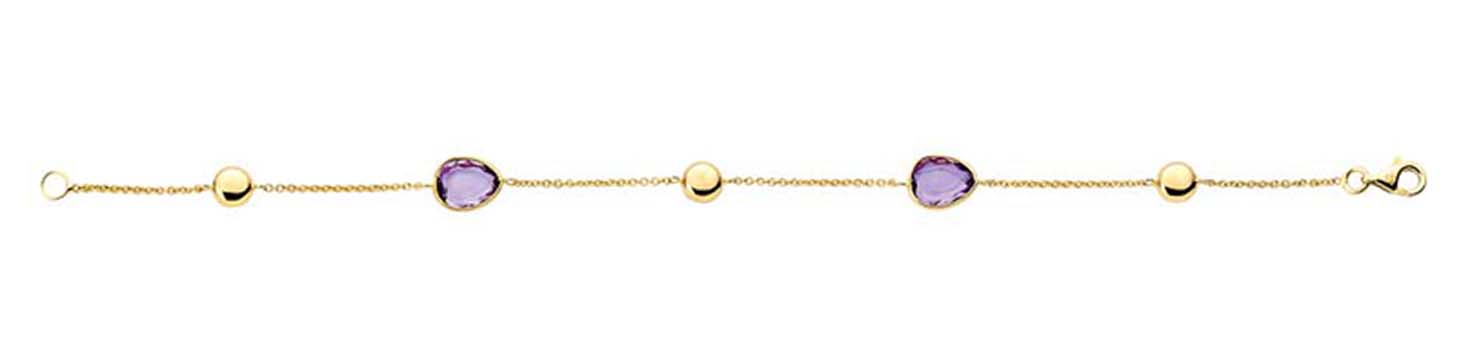
9ct yellow gold amethyst and gold bead station bracelet
Amethyst also lends itself beautifully to silver, where its violet tones feel fresh and understated, offering an easy, contemporary alternative for everyday wear.
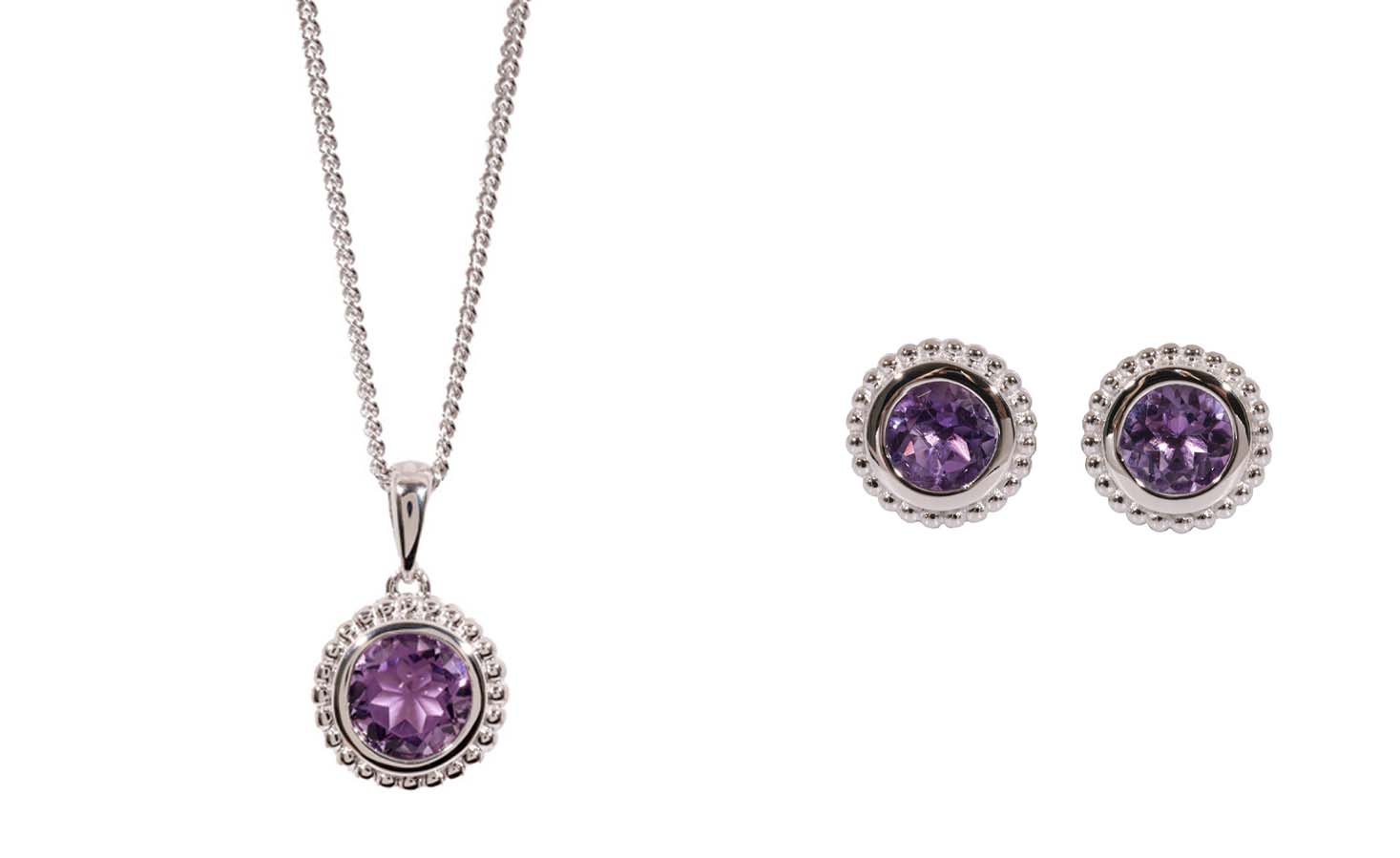
Silver amethyst pendant and matching earrings
A Thoughtful February Gift: Amethyst Jewellery at Zelley
Amethyst jewellery makes a particularly thoughtful gift in February. As a birthstone, it carries natural significance, while its calming associations make it equally suited to other meaningful moments throughout the year.
For everyday elegance
Delicate amethyst pendants remain a popular gifting choice. One contemporary example from Zelley is a 9ct yellow gold amethyst bombe drop pendant, designed to feel refined yet effortless. Its Y-shaped chain creates a flattering, elongated line, while a faceted circular amethyst sits at the centre in a smooth bezel setting, allowing the gemstone’s colour to take focus.
Beneath the amethyst, a polished yellow gold graduated bombe drop adds softness and movement, giving the pendant a fluid, modern feel. The balance between clean lines and warm gold makes this piece easy to wear from day to evening, offering elegance without excess.
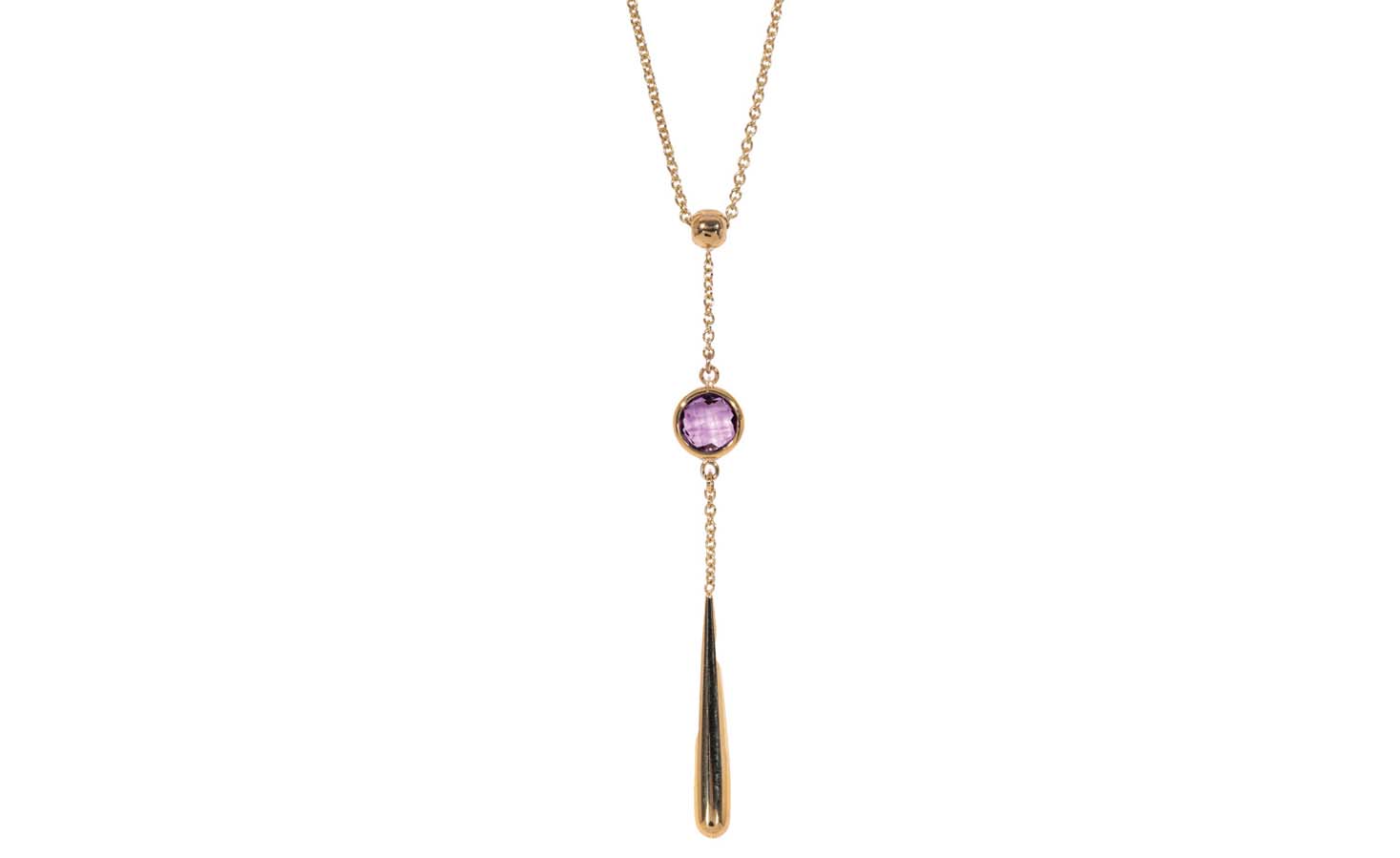
9ct yellow gold amethyst bombe drop pendant with Y-shaped chain
With a touch of sparkle
Amethyst earrings offer a slightly different expression of the gemstone, balancing colour with light and sparkle. Zelley’s 18ct white gold pear-shaped amethyst and diamond stud earrings feature vivid pear-cut amethysts, claw set to allow maximum light into the stones, with a subtle diamond accent set just above.
The diamonds add brightness without overpowering the amethyst, while the cool tone of white gold enhances the gemstone’s violet hue. These earrings feel timeless yet easy to wear, making them a thoughtful choice for someone who prefers refined jewellery with a hint of sparkle.
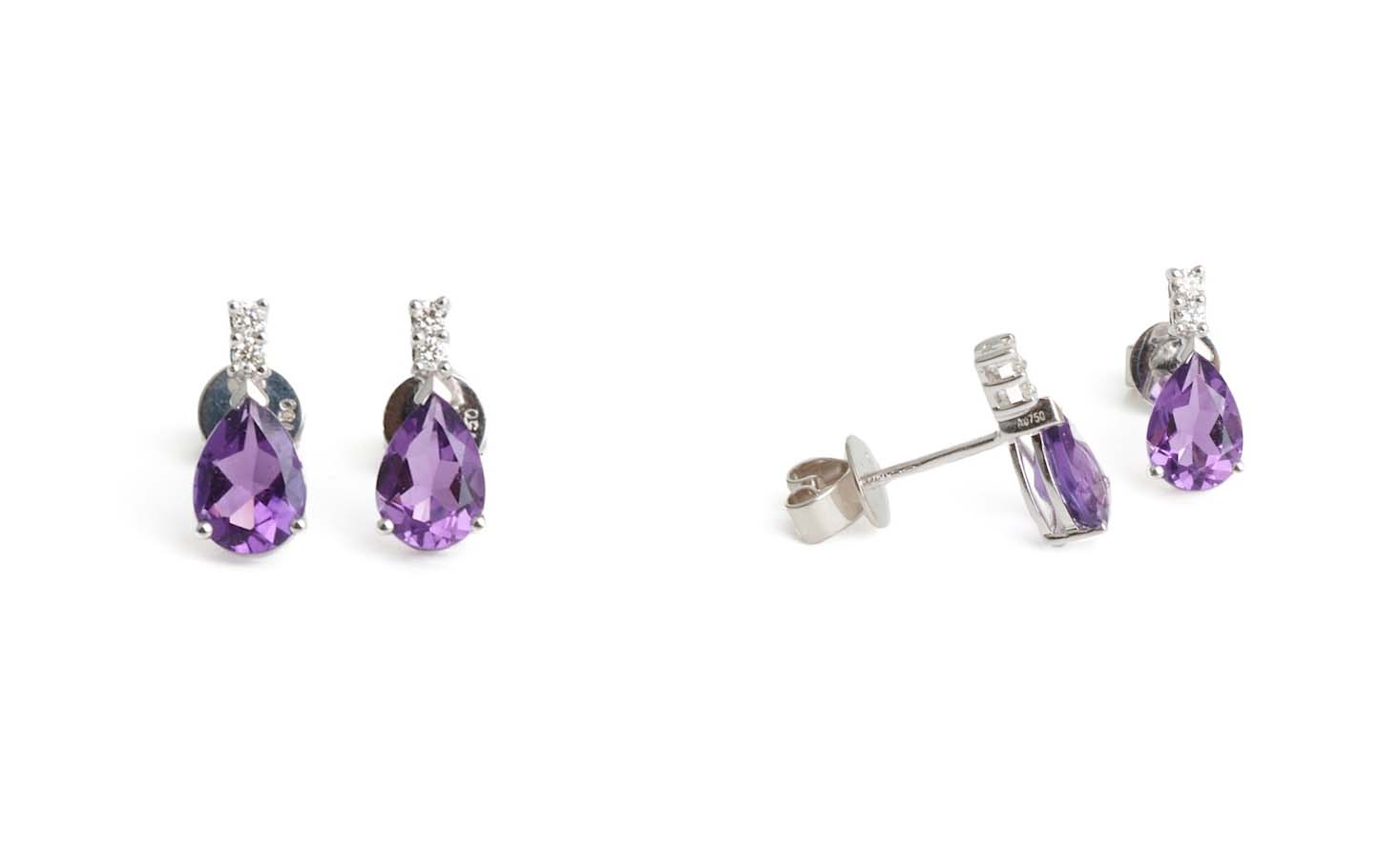
18ct white gold pear-shaped amethyst and diamond stud earrings
A confident statement
For those drawn to bolder design, an amethyst cocktail ring allows the gemstone to take centre stage. Zelley’s 9ct white gold emerald-cut amethyst ring is a confident statement piece, defined by clean lines and strong presence. The four-claw setting is designed to let light enter the stone from all angles, enhancing both colour and clarity.
Worn as a right-hand ring, this style feels modern and self-assured without being overpowering. It suits those who enjoy jewellery with impact, while still remaining timeless and wearable.
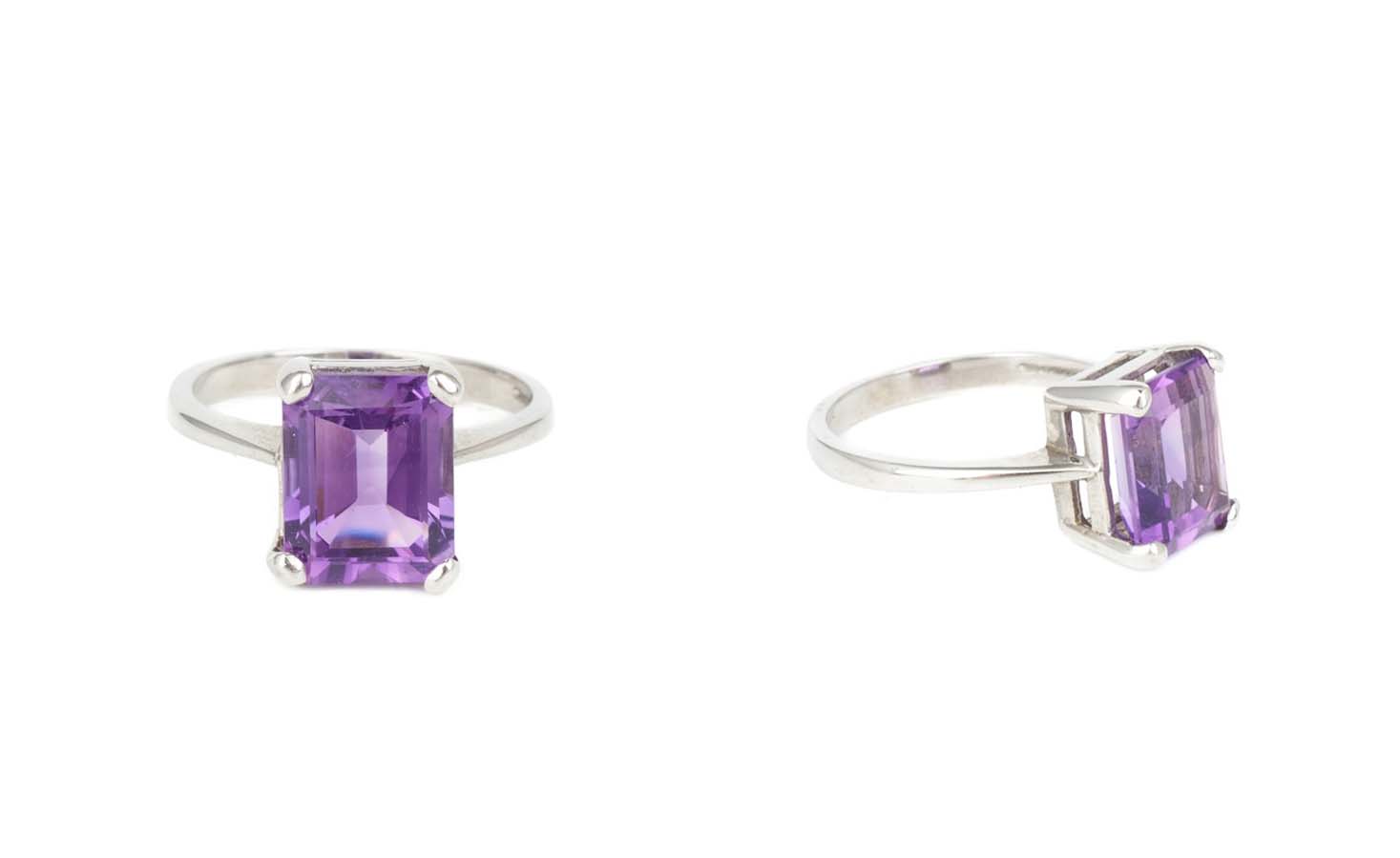
9ct white gold emerald-cut amethyst ring
February also brings Valentine’s Day, and amethyst offers a refreshing alternative to more traditional red gemstones. Its violet tones feel romantic yet distinctive, making it a natural choice for someone who values individuality and meaning.
Caring for Amethyst Jewellery
Although amethyst is relatively durable, it benefits from gentle care. Clean amethyst jewellery using warm water, mild soap and a soft brush. Avoid harsh chemicals and ultrasonic cleaners, which can damage the stone. When not being worn, store amethyst separately to prevent scratching, and remove jewellery before strenuous activity.
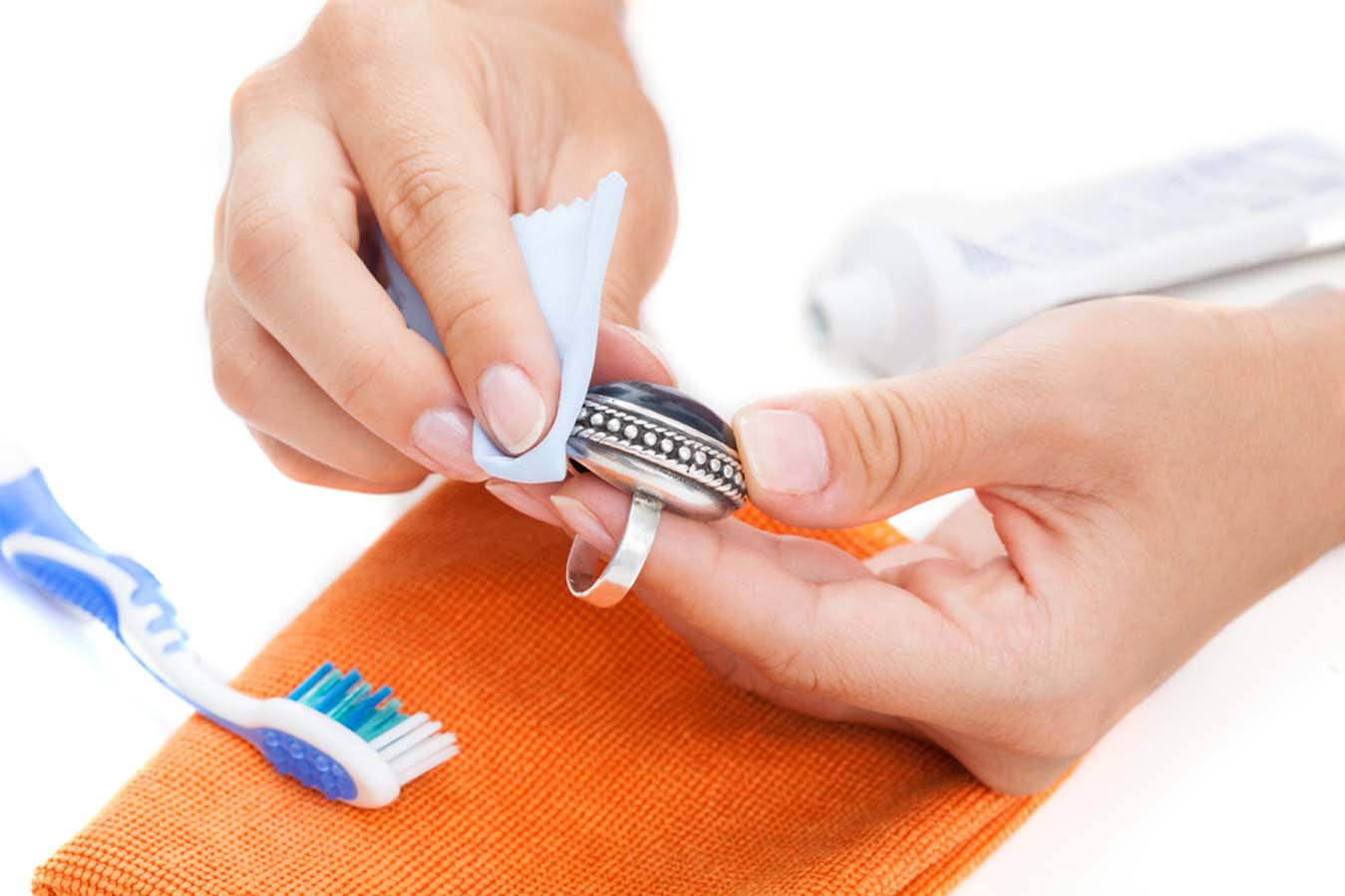
Gentle cleaning helps preserve the colour and brilliance of amethyst
With the right care, amethyst will retain its colour and brilliance for many years to come.
Why Amethyst Endures
Jewellery trends evolve, but amethyst remains. Its colour feels timeless, its symbolism resonates across cultures, and its versatility suits modern life. Perhaps most importantly, it feels personal. People choose amethyst because it speaks to them, not because it demands attention. That quiet confidence is what gives amethyst its lasting appeal.
Discover Amethyst at Zelley
At Zelley, we believe jewellery should feel meaningful, wearable and beautifully made. Amethyst embodies all three. Whether you’re choosing a February birthstone piece, marking a special moment, or simply drawn to its colour, amethyst offers depth, history and emotion in equal measure.
Explore our amethyst jewellery collection in-store or online, and discover why this remarkable gemstone continues to captivate, century after century.